In 1910, home electrical needs were limited to lamps, irons, and fans, and fewer than 20% of Americans owned a car. Natural gas-powered heat and stovetops. The century-old Oleta, a 34-home affordable housing building in Capitol Hill, has building systems from a bygone era. To ensure communities facing high pollution can share the benefits of cleaner, healthier housing, Community Roots plans to decarbonize the Oleta by replacing outdated systems, reducing pollution, and improving residents’ daily lives.
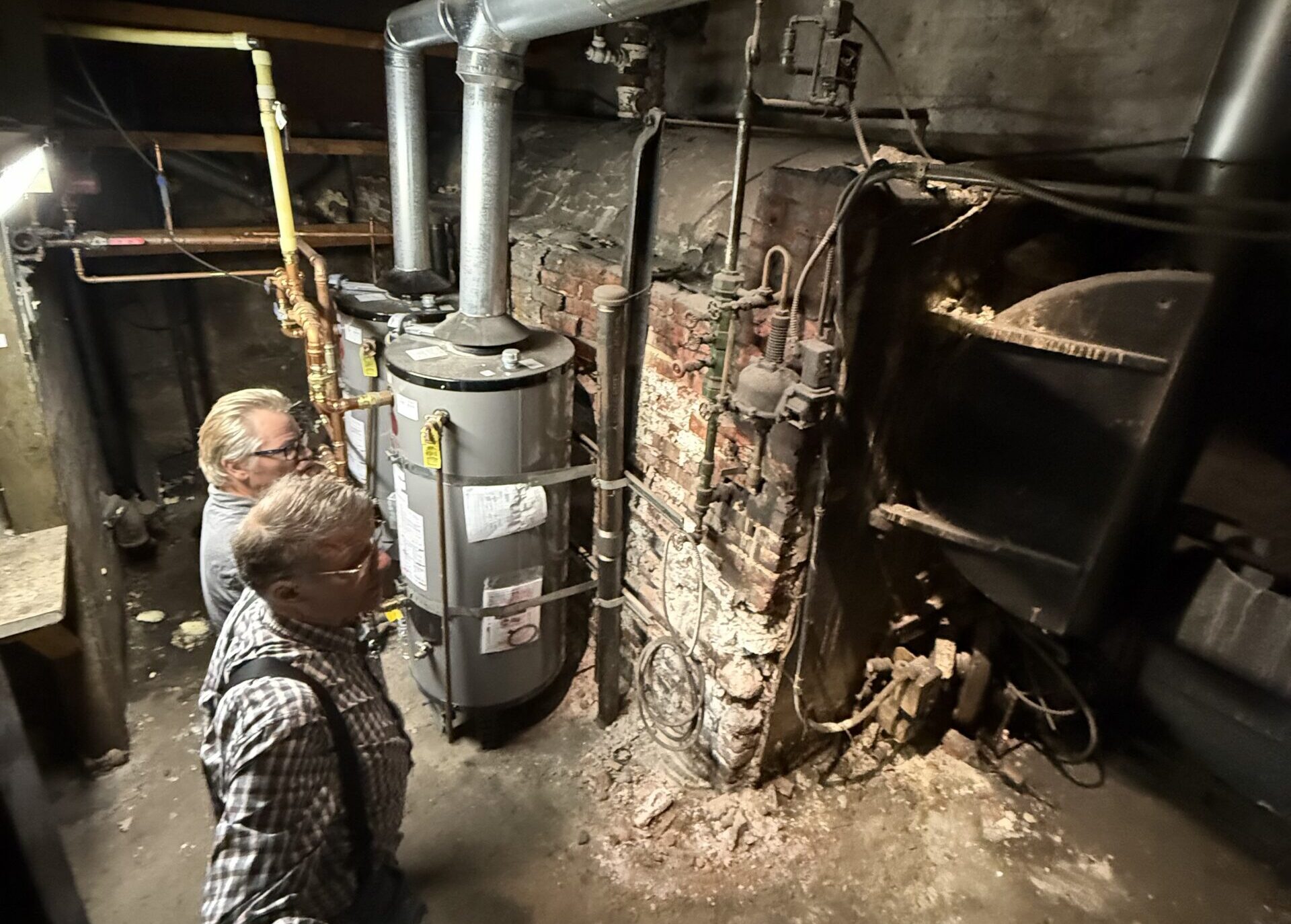
The now decommissioned heating system that was used when Oleta opened in 1910 on the left.
The impact of unequal investment in Seattle neighborhoods
Built in 1910, Oleta provides deeply affordable homes for residents earning 50% of the area median income. Residents earn on average $26,000 a year, and nearly 50% are over 55. In a neighborhood where rents have climbed beyond reach for many low-income households, these homes help residents stay connected to work, transit, services, and community.
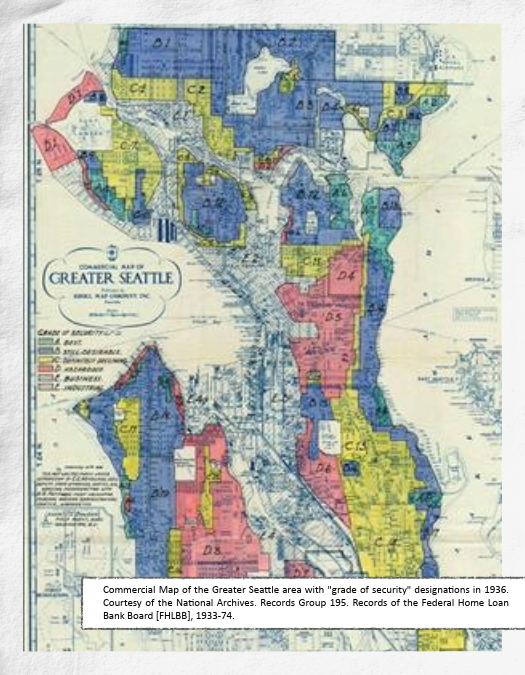
In 1936, Oleta stood in an area designated “Definitely Declining” on the Home Owners Loan Corporation’s 1936 Kroll map. Banks and insurers used these commissioned maps to systematically deny investment to those neighborhoods — a practice known as redlining. Those decisions shaped who could live where and which neighborhoods carried the heaviest environmental costs. In 1965, I-5 opened a block from Oleta. Since then, the freeway has created pollution and health risks for nearby residents.
Rising rents and gentrification have also put residents at risk of displacement. Preserving affordable homes helps address both pressures and keeps Capitol Hill accessible to people who make the neighborhood work.
Building upgrades will create healthier, lower-carbon homes
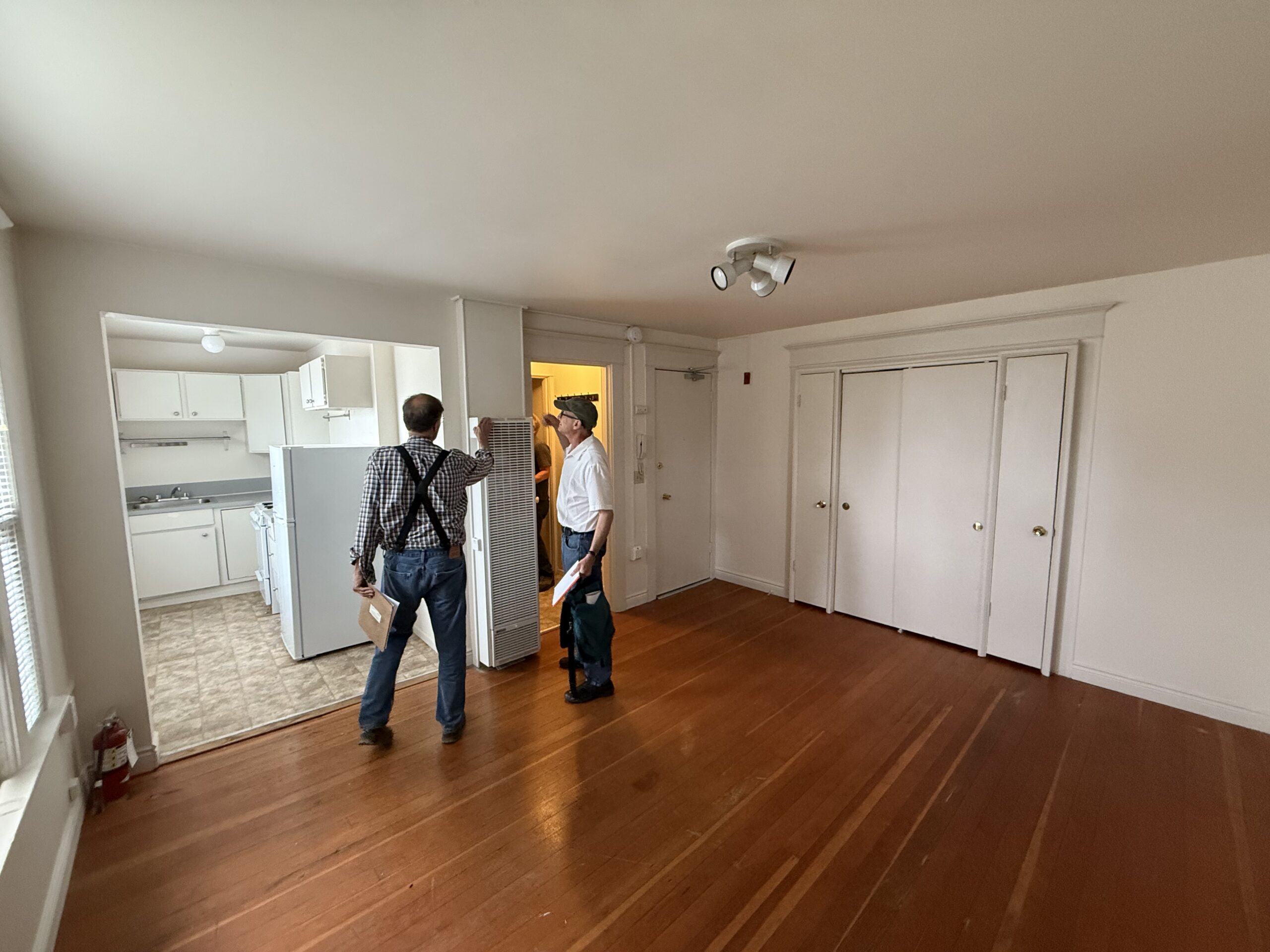
A gas heater inside an apartment at Oleta.
Oleta’s electrical systems were designed over 116 years ago. Gas heaters, limited insulation, and outdated ventilation contribute to high energy use and poor indoor air quality for residents. Planned improvements would replace gas appliances with electric stoves and efficient heat pumps. Heat pumps would provide heating and cooling, helping residents stay safer during extreme heat.
Better ventilation would reduce indoor air pollution when opening a window is difficult next to a busy freeway. Together, the upgrades would eliminate the building’s reliance on gas, lower greenhouse gas emissions, and improve residents’ indoor air quality.
A city grant supports affordable housing decarbonization
Over a decade ago, the City announced its goal to become carbon neutral by 2050. This triggered a push to reevaluate how we power our daily lives. Buildings produce about 40% of Seattle’s climate pollution, much of it from burning gas and other fuels.
In 2025, Seattle’s Office of Sustainability and Environment (OSE) awarded Community Roots $1,149,500 through its Building Decarbonization Grant program. Funding prioritizes affordable and senior housing, nonprofit-owned buildings, and buildings serving communities facing greater climate impacts. The grant will help fund building upgrades, estimated to cost about $4.4 million. Community Roots continues to seek funding to cover the remaining costs.
The grant program helps turn citywide goals into practical work at individual buildings. At Oleta, the investment supports moving away from gas, improving residents’ homes, and preparing the building to meet future requirements. Public funding is especially important for affordable housing providers. Rents are kept low, so rent revenue often cannot cover the full cost of major repairs and energy upgrades.
Preserving affordable housing is climate action
Preserving existing affordable housing avoids the waste and emissions of demolition and new construction and costs less than redevelopment. Renovations protect homes in a desirable neighborhood near frequent bus service, light rail, groceries, parks, and jobs. It advances Community Roots’ core mission: safe, stable, affordable housing for low-income residents.
Community Roots was founded in 1976 in response to redlining and neighborhood disinvestment. Preserving Oleta continues that work: protecting affordable homes, improving health, and investing in low-income communities that have long faced unequal burdens. A healthier building can help residents stay rooted and support a cleaner future for Seattle.