Celebrating 50 years

From the roots up: A history of building a more affordable Seattle

For 50 years, Community Roots Housing has worked to create and preserve affordable homes across Seattle and White Center. What began as a neighborhood response to redlining and disinvestment has grown into a long-term commitment to housing stability, community resilience, and equitable development.

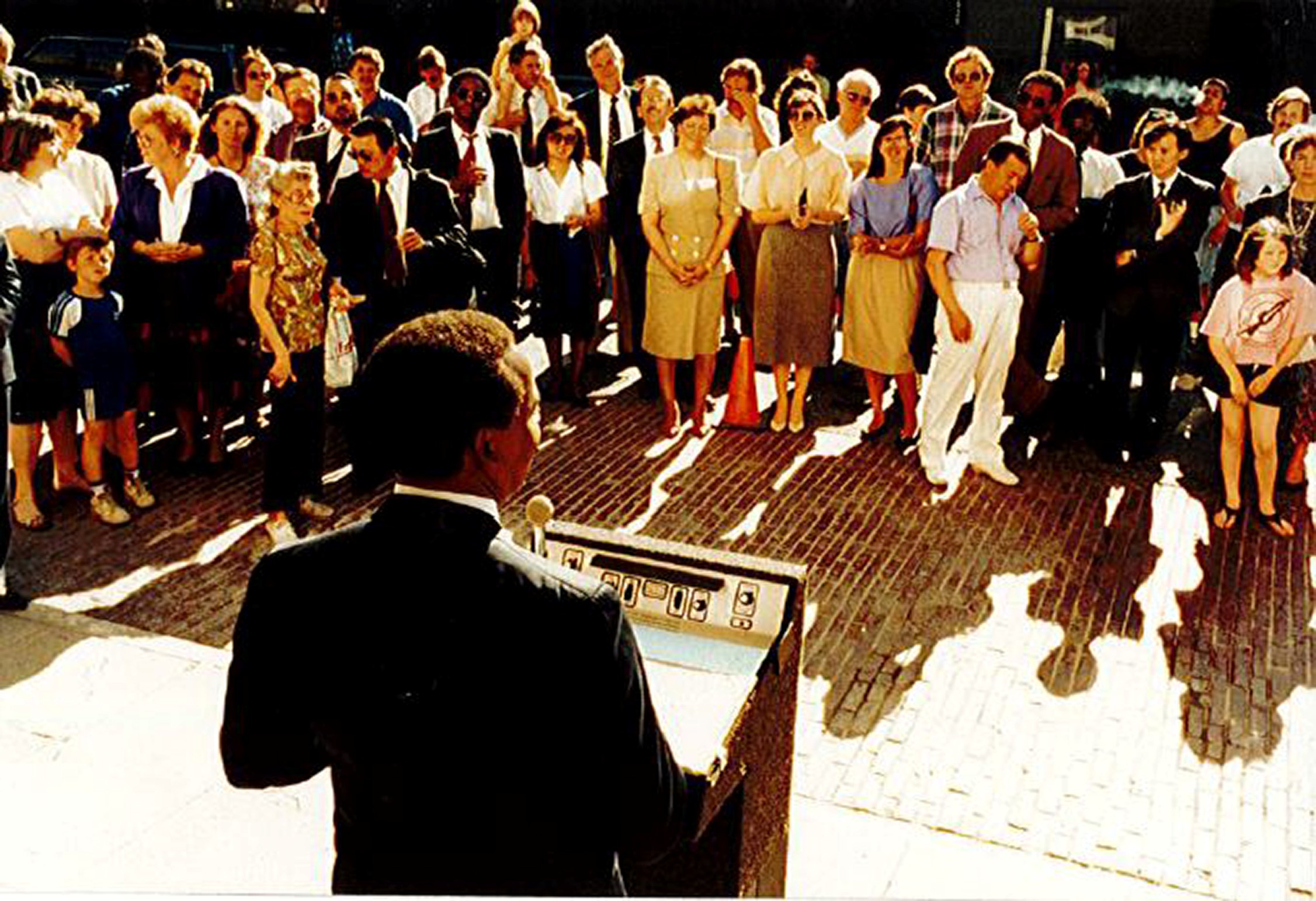
In May of 1976, the Mayor of Seattle signed the official charter to create a public development authority (PDA), or public corporation, which is now known as Community Roots Housing. The timeline below honors the people, places, and partnerships that shaped the organization’s half-century history. We would not be here with the individuals and communities who made this work possible: residents, staff, board members, partners, vendors, allies, and neighbors. Thank you.

This milestone is a time of celebration and reflection, but the work is not over. Today, with over 40 apartment buildings and nearly 3,000 residents, we continue our commitment to build community with and for people.
Crh 50 Year Anniversary Logo Vertical Full Color

1976–2008

Housing for a changing Seattle

As Seattle has changed, so has the organization. Over the first three decades, Community Roots evolved from a small grassroots tool library into an established housing provider — rehabilitating properties, building new homes, and supporting families.

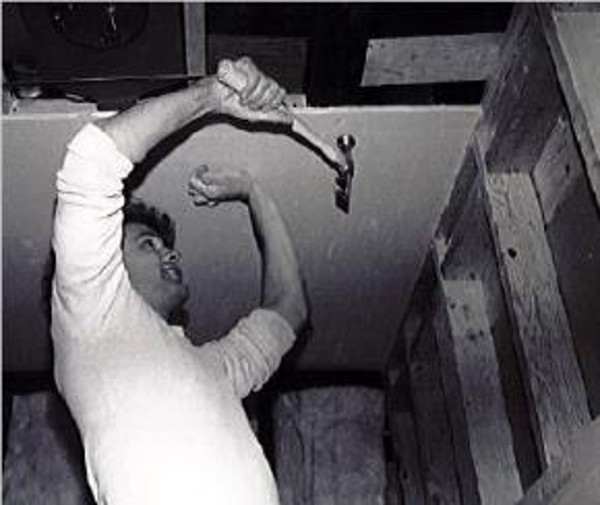
Community Roots began in 1976 as a practical response to inequity. At a time when redlining, disinvestment, and rising costs were making it harder for neighbors to stay in their homes, Capitol Hill community activists created a public corporation to achieve their goals.

  • 1976: Community members launched the Stevens Neighborhood Improvement Program through the Capitol Hill Community Council, creating a Public Development Authority chartered by the City of Seattle to respond directly to the area’s needs for home rehabilitation
  • 1978: In response to requests from the surrounding community, the program expanded its service area, opened an office, hired staff, and launched a tool bank and home improvement lending program to help more neighbors maintain safe, stable homes.

In the 1980s, as more low-income folks were pushed from homeownership to renting, preserving affordable rental housing became urgent. In response, we adapted our approach by acquiring and rehabilitating buildings to keep affordable homes in Seattle’s downtown area.

  • 1983: The organization became Capitol Hill Housing Improvement Program, a name that reflected its growing service area and deeper function in preserving affordable housing.
  • 1984: Reached a milestone of 200 low-interest home improvement loans issued to Capitol Hill residents to help them stay in and maintain their homes.
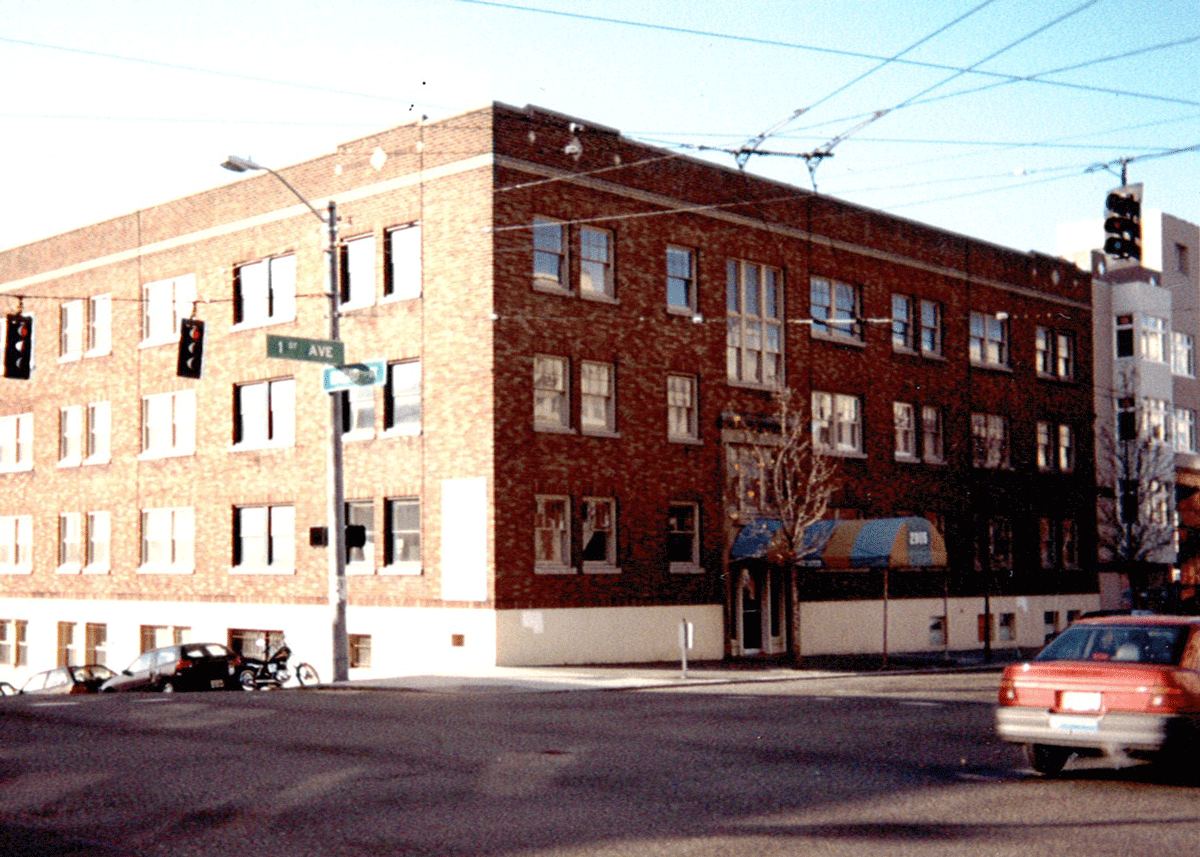
  • 1987: Purchased the Bremer Apartments in Belltown, our first sizeable acquisition with the intent to rehabilitate the building and protect affordable homes in the city’s urban core.

During the 1990s, continued growth and rising demand for affordable housing drove us to build six new family-sized apartment buildings and operate in a total of five neighborhoods. We also acquired and rehabilitated eight existing buildings to maintain affordable rents and keep neighborhoods within reach.

  • 1991: Rehabilitated Larned Apartments, originally built in 1909, marking our first project assisted by the new national Low-Income Housing Tax Credit program.
  • 1993: Opened Byron Wetmore in Mt. Baker, our first new construction affordable housing project, creating 12 family-sized apartments for large, multi-generation households.
  • 1996: Opened Gilman Court in Ballard, bringing our portfolio to 353 apartments across 24 buildings and extending affordable housing choices in a growing neighborhood.

In the 2000s, Seattle became denser, costlier, and more complex to build in. In response, we once again expanded our approach by applying sustainable building practices and transforming overlooked sites into desirable places where people wanted to live, work, and stay rooted in their communities. During this era, we built or rehabilitated eight buildings, providing homes for 221 individuals and families.

  • 2004: Became Capitol Hill Housing, a name that reflected a wider role in affordable housing development, property management, and long-term stewardship.
  • 2005: Completed the Pantages Apartments, combining the rehabilitation of a City of Seattle historic landmark with a new five-story building to preserve local history while creating more affordable homes.
  • 2007: Transformed a former gas station at Broadway and E Pine St. on Capitol Hill into Broadway Crossing, a LEED Silver mixed-use building with 44 affordable homes and ground-floor retail.
  • 2008: Opened Fremont Solstice Apartments on a former City Light electrical substation with the backing of the Fremont Neighborhood Council, who wanted to bring affordable housing and live/work space into a neighborhood undergoing rapid change.

2009–2019

Meeting a growing crisis with deep partnerships and community-led solutions

As was the case with most cities across the nation, the years after 2008 reshaped Seattle. The Great Recession shocked housing markets, drove the unemployment rate up to 9.7%, and slowed new home construction. As the local economy rebounded, the affordability crisis intensified. Skyrocketing rents during the tech boom of the 2010s put pressure on longstanding communities, especially those already facing barriers to stability.

To meet the scale of Seattle’s housing need, we had to approach the moment with innovation and the understanding that affordable housing is more than a place to live. It provides a foundation for services, cultural space, and stability. Through community-led development and trusted nonprofit partnerships, we created 383 affordable apartments alongside spaces that helped anchor the neighborhoods most impacted by change.

2020–2026

Rooting residents and fighting displacement

The 2020s have called for greater resolve, deeper partnerships, and a clear commitment to both preservation and new development. The COVID-19 pandemic hit low-income and working-class renters especially hard, while rising rents and an aging housing stock increased the risk of affordable homes disappearing. To address these compounding crises, Community Roots Housing has worked alongside community organizations, public agencies, and neighborhood partners to keep existing homes affordable, create new housing, and support projects shaped by local vision. Together, these efforts have added 700+ affordable homes to Seattle and White Center.

  • 2020: Opened Station House with support from Sound Transit, creating 110 affordable homes next to the Capitol Hill light rail station.
  • 2021: Partnered with SCIDpda to open 13th & Fir, delivering 156 new affordable family-sized apartments and childcare space to Yesler Terrace.
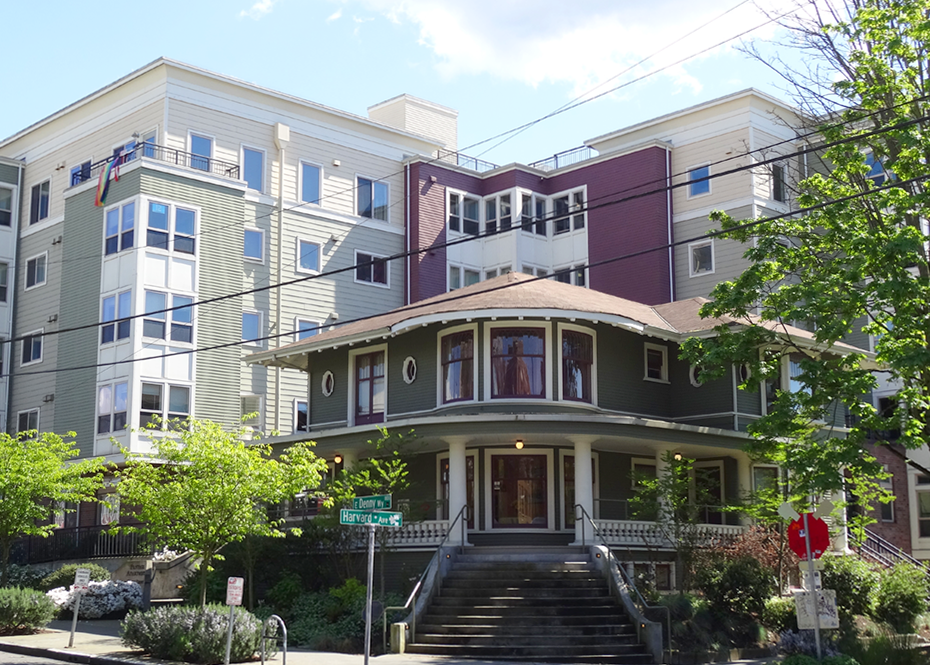
  • 2023: Opened Pride Place in partnership with GenPride, creating Seattle’s first LGBTQ+ affirming affordable housing community for seniors.
  • 2024: Preserved 62 affordable homes at the century-old Devonshire Apartments through a full gut rehabilitation with seismic, systems, and interior upgrades. Opened Africatown Plaza in partnership with Africatown Community Land Trust, adding 126 new affordable apartments to the Central District.
  • 2025: Opened Canopy Apartments, creating 76 new affordable homes designed for families and connected to services that support stability and opportunity. Next door is the White Center HUB, developed in partnership with the White Center Community Development Association and Southwest Youth & Family Services.
  • 2026: Opened Copperleaf Northgate, our largest development to date, creating 232 affordable homes next to the Northgate Light Rail Station.

Copyright © 2026 Community Roots Housing     Site Map